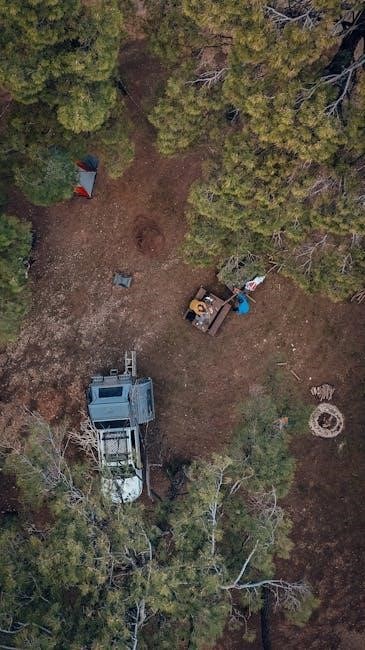
Embark on incredible adventures with our comprehensive guide, revealing the best no-cost camping locations across nations, perfect for vanlifers and outdoor enthusiasts!
Discover serenity and freedom while exploring verified spots and understanding complete travel rules for free camping, especially within Europe, as detailed on Camperguru;
Free camping, also known as dispersed camping, offers a unique and rewarding experience for adventurers seeking to connect with nature without the constraints and costs of traditional campgrounds. It’s a fantastic way to immerse yourself in the wilderness, enjoying tranquility and solitude far from crowded tourist destinations.
This practice generally involves setting up camp on public lands – such as those managed by the Bureau of Land Management (BLM) and National Forest Service in the USA, or Crown Lands in Canada – where it’s permitted. However, it’s crucial to understand that free camping isn’t simply about finding a scenic spot and pitching a tent.
It requires responsible planning, adherence to specific regulations, and a commitment to minimizing your impact on the environment. Resources like Camperguru provide valuable maps and information, guiding you to safe and legal free camping locations across various countries, particularly in Europe, while emphasizing the importance of understanding local travel rules.
Why Choose Free Camping?
Opting for free camping unlocks a world of benefits beyond simply saving money. It provides an unparalleled sense of freedom and independence, allowing you to escape the structured environment of established campgrounds and truly immerse yourself in the natural world.
Free camping fosters a deeper connection with nature, offering opportunities for solitude, wildlife observation, and stargazing away from light pollution. It’s ideal for those seeking a more authentic and adventurous experience, encouraging self-reliance and resourcefulness.
Platforms like Camperguru highlight the appeal of free camping for vanlifers and adventurers, providing maps to discover serene spots. It’s a chance to explore hidden gems, discover new landscapes, and create unforgettable memories, all while respecting and preserving the environment for future generations.
Understanding the Rules & Regulations
Navigating free camping requires diligent research and adherence to local regulations. Dispersed camping, often found on BLM or National Forest land, typically permits temporary stays, but restrictions apply regarding campfires, vehicle access, and waste disposal.
European free camping presents a more complex landscape, with country-specific rules varying significantly. Camperguru emphasizes the importance of understanding these travel rules, highlighting where free camping is permitted and where opting for verified spots is advisable.
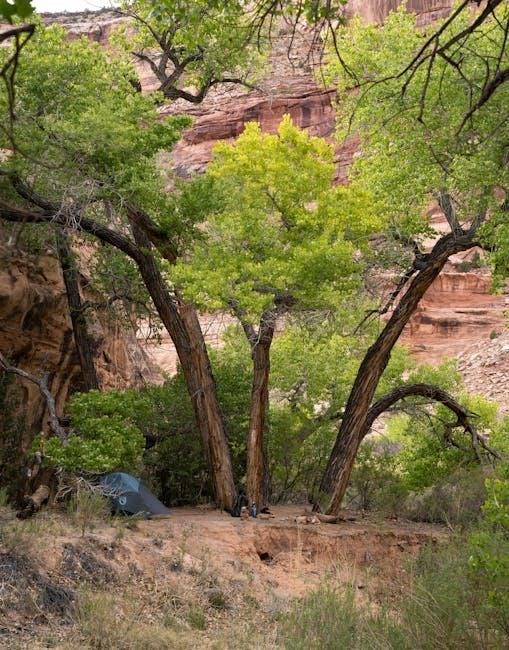
Ignoring regulations can lead to fines or other penalties. Always check with local authorities, respect private property, and practice Leave No Trace principles to ensure responsible and sustainable camping; Prior knowledge is key to a safe and enjoyable experience.
Free Camping in the USA (2024)
The United States offers abundant opportunities for free camping, primarily through Bureau of Land Management (BLM) and National Forest Service lands. BLM land often allows for extended stays, while National Forest dispersed camping typically has shorter stay limits – usually 14 days in a 30-day period.
These areas generally lack developed facilities, requiring self-sufficiency. Resources like Freecampsites.net and iOverlander are invaluable for locating spots and reading user reviews. Remember to verify current regulations, as rules can change seasonally or due to fire restrictions.
Planning ahead and understanding the specific guidelines for each location are crucial for a successful and legal free camping experience across the USA.
BLM Land Camping
Bureau of Land Management (BLM) land represents a cornerstone of free camping opportunities in the Western United States. These vast public lands generally permit dispersed camping for up to 14 days in any 28-day period in a single location, though this can vary.
BLM camping typically lacks amenities like restrooms or water sources, demanding complete self-reliance. Expect primitive conditions and a focus on Leave No Trace principles. Access roads can range from well-maintained gravel to rough dirt tracks, often requiring high-clearance vehicles.
Detailed information regarding specific BLM land regulations and access can be found on the BLM website, ensuring a responsible and enjoyable camping experience.
National Forest Dispersed Camping
National Forests offer another excellent avenue for free, dispersed camping across the United States. Similar to BLM land, dispersed camping generally allows stays of up to 14 days in a 28-day period within a specific area, but always verify local regulations.
Dispersed camping means no developed campgrounds – no tables, fire rings, or restrooms. You’ll need to be fully prepared for a primitive experience, packing everything in and packing everything out. Forest Service roads provide access, with varying levels of difficulty.
Check with the specific National Forest’s ranger district for current conditions, fire restrictions, and any area closures before heading out, ensuring a safe and compliant adventure.
Free Camping Apps & Websites for the USA
Planning a free camping trip in the USA is significantly easier with the aid of dedicated apps and websites. These resources aggregate user-submitted information, providing details on locations, accessibility, and amenities – or lack thereof – for dispersed camping spots.
Camperguru.com offers a freecamping map, guiding adventurers to no-cost locations across various countries, including the USA, and provides travel rules for free camping in Europe. iOverlander is a popular, community-driven platform with extensive coverage, while Freecampsites.net focuses specifically on free camping options.
These tools allow you to filter by features, read reviews, and often view photos, helping you find the perfect spot for your needs. Remember to cross-reference information and verify conditions before you go!
Free Camping in Canada (2024)
Canada offers incredible opportunities for free camping, though it requires a bit more research and understanding of local regulations than in the USA. Two primary avenues exist: Provincial Park backcountry camping and camping on Crown Land.
Provincial Park backcountry camping typically involves a permit and designated sites, often requiring a hike to reach. Crown Land camping, however, allows for more dispersed, free camping, but comes with specific rules varying by province. These regulations often pertain to distance from water bodies, fire restrictions, and length of stay.
Utilize Canadian free camping resources online to navigate these rules and discover suitable locations. Responsible camping and adherence to guidelines are crucial for preserving these opportunities.
Provincial Park Backcountry Camping
Provincial Park backcountry camping presents a fantastic, regulated option for free or low-cost camping across Canada. Unlike dispersed camping, it typically requires obtaining a permit, often reservable online through the specific provincial park’s website.
These permits ensure site capacity is managed and help fund park maintenance. Backcountry sites are generally more remote, requiring a hike to access, offering increased privacy and immersion in nature. Expect minimal amenities – often just a designated tent pad and potentially a bear-resistant food storage locker.
Planning is essential; research trail conditions, pack appropriately, and be prepared for self-sufficiency. This method balances accessibility with responsible environmental stewardship.
Crown Land Camping Regulations
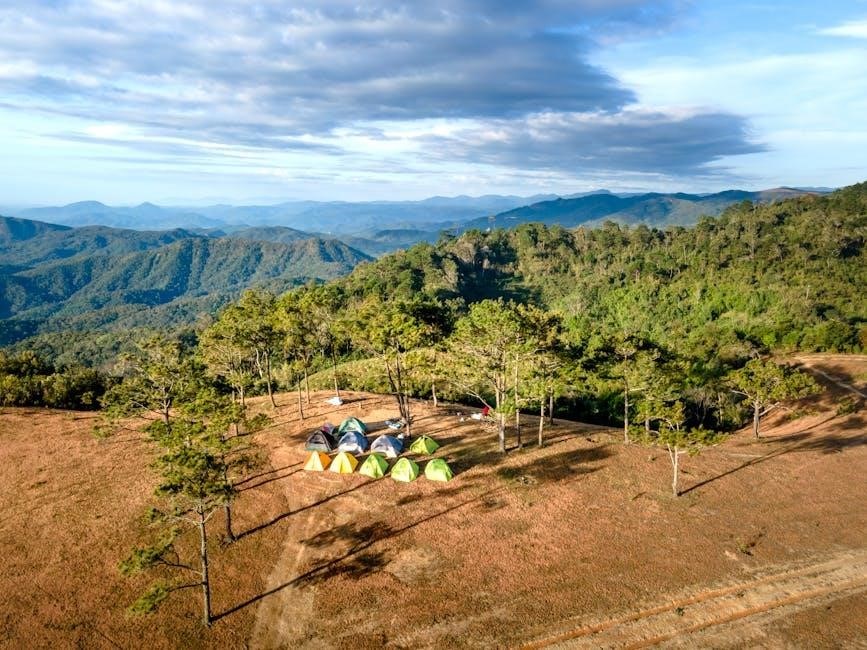
Camping on Crown Land in Canada offers incredible freedom, but demands diligent adherence to provincial regulations; Unlike designated campgrounds, Crown Land generally permits free camping, however, rules vary significantly between provinces and territories.
Common stipulations include distance requirements from roads, water bodies, and private property. Many provinces restrict camping to a maximum of 14 days in a single location. Open fires may be prohibited or require a permit, especially during dry seasons;
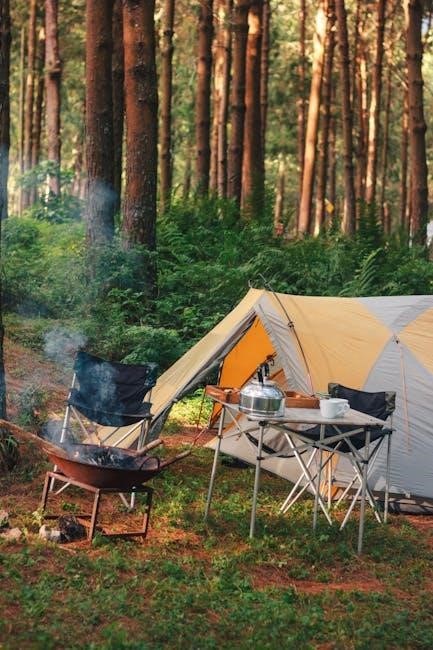
Always check the specific regulations for the province you intend to visit; ignoring these rules can result in hefty fines. Responsible practices, like packing out all trash and minimizing environmental impact, are crucial for preserving access to this valuable resource.
Canadian Free Camping Resources
Navigating Canada’s free camping opportunities requires utilizing several key online resources. While a single, definitive national database doesn’t exist, several websites and apps compile user-submitted information on dispersed camping locations.
iOverlander is a popular choice, featuring detailed reports and photos from fellow travelers, often including information on road conditions and accessibility. Provincial government websites are invaluable for understanding specific Crown Land regulations and fire restrictions.
Furthermore, online forums and Facebook groups dedicated to Canadian camping and vanlife frequently share hidden gems and up-to-date information. Remember to cross-reference information and verify regulations before setting up camp, ensuring a safe and legal experience.
Free Camping in Europe (2024)
Free camping in Europe presents a unique set of challenges and opportunities, varying significantly by country. Unlike North America’s more permissive dispersed camping policies, many European nations have stricter regulations regarding overnight parking and camping outside designated campgrounds.
However, resourceful travelers can still find free or low-cost options. Camperguru and similar platforms are invaluable for discovering verified spots and understanding country-specific rules. Germany, France, and Spain each have distinct approaches, ranging from tolerance to outright prohibition.
Prioritize ethical considerations, respecting local communities and minimizing environmental impact. Thorough research and adherence to regulations are crucial for a positive experience.
Country-Specific Regulations (Germany, France, Spain)
Navigating European free camping requires understanding each nation’s unique laws. Germany generally tolerates overnight parking in lay-bys, but camping – setting up chairs, tables, or awnings – is often prohibited. France is more restrictive, with wild camping largely illegal, though some tolerance exists outside of peak season and away from populated areas.
Spain presents a patchwork of regulations, varying by region. Some areas actively discourage wild camping, while others are more lenient. Camperguru provides detailed insights into these regional differences.
Always check local signage and be prepared to move if requested. Respecting these regulations ensures continued access for all free campers.
Camperguru & Similar Platforms
Camperguru stands out as a premier resource for discovering free camping spots across Europe, offering a detailed map and comprehensive travel rules. Its mobile app, available for both Android and iOS, simplifies navigation and inspiration for your journey.
Beyond Camperguru, several platforms aid in locating free campsites. iOverlander provides a global database, often including user-submitted reviews and updates on site conditions. Freecampsites.net focuses primarily on the USA, but can offer valuable insights for North American adventures.
These platforms empower campers with community-sourced information, enhancing safety and ensuring a more enjoyable experience. Utilizing multiple resources provides a well-rounded perspective.
Ethical Considerations for European Free Camping
Respecting local environments and communities is paramount when free camping in Europe. While the freedom to explore is appealing, it comes with responsibilities. Always adhere to local regulations, which vary significantly between countries like Germany, France, and Spain.
Minimize your impact by practicing Leave No Trace principles – pack out all trash, avoid disturbing wildlife, and respect private property. Be mindful of noise levels and avoid camping in sensitive areas. Supporting local businesses when possible demonstrates gratitude for the hospitality extended.
Camperguru emphasizes finding safe free camping spots, but responsible behavior is crucial for preserving this freedom for future adventurers.
Essential Gear for Free Camping
Venturing into free campsites demands careful preparation and the right equipment for a safe and enjoyable experience. Prioritize a reliable shelter, whether a tent, van conversion, or hammock with a tarp, alongside a comfortable sleeping arrangement suited to the expected temperatures.
Cooking and food storage require portable stoves, cookware, and bear-resistant containers where applicable. Safety is paramount; pack a comprehensive first-aid kit, navigation tools like maps and a compass (or GPS), and a reliable light source.
Don’t forget essential items like water purification systems, multi-tools, and appropriate clothing for varying weather conditions. Thorough preparation ensures self-sufficiency and minimizes reliance on external resources.
Shelter & Sleeping Arrangements
Selecting appropriate shelter and sleeping arrangements is crucial for comfort and protection during free camping adventures. A durable tent, suited to the climate and season, remains a popular choice, offering reliable weather resistance and privacy.
Van conversions provide a mobile and comfortable basecamp, while hammock setups, paired with a tarp for rain protection, offer a lightweight and minimalist option. Consider the temperature rating of your sleeping bag or quilt, ensuring it aligns with anticipated nighttime lows.
A sleeping pad adds insulation and cushioning, enhancing sleep quality. Prioritize lightweight and packable options to minimize bulk and maximize portability.
Cooking & Food Storage
Efficient cooking and secure food storage are paramount when free camping, especially in areas frequented by wildlife. A portable camping stove, fueled by propane or butane, allows for convenient meal preparation. Pack lightweight cookware, utensils, and biodegradable soap for easy cleanup.
Prioritize non-perishable food items to minimize spoilage. Properly store food in airtight containers to deter animals and insects. Bear-resistant canisters are essential in bear country, safeguarding your provisions and protecting wildlife.
Practice Leave No Trace principles by packing out all food waste and scraps. Consider dehydrated meals for lightweight and convenient options, reducing both weight and packaging.
Safety & Navigation Tools
Prioritizing safety during free camping necessitates carrying essential navigation and emergency tools. A reliable map and compass, alongside the knowledge to use them, are crucial, especially where cell service is limited. A GPS device or smartphone with offline maps provides additional navigational support.
Pack a well-stocked first-aid kit, including supplies for treating injuries and illnesses. A multi-tool, headlamp or flashlight, and a whistle are invaluable for various situations. Consider a personal locator beacon (PLB) or satellite communicator for emergencies in remote areas.
Inform someone of your camping plans, including your location and expected return date, ensuring they can alert authorities if needed.
Leave No Trace Principles
Preserving the natural beauty of free campsites relies heavily on adhering to Leave No Trace principles. Plan ahead and pack out everything you pack in, including trash, food scraps, and toilet paper. Minimize campfire impacts by using established fire rings or stoves, and keep fires small and contained.
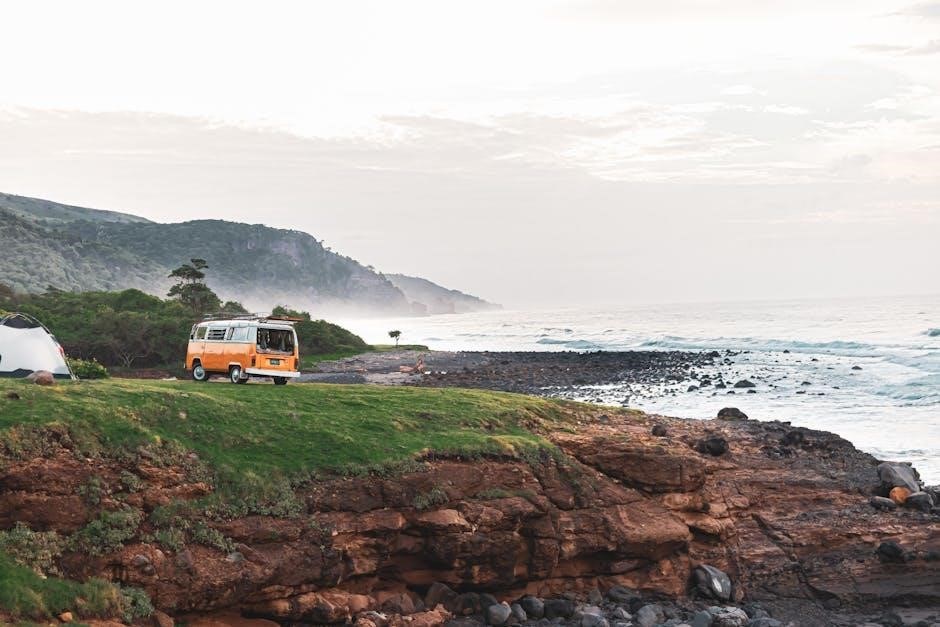
Respect wildlife by observing from a distance and never feeding animals. Properly dispose of human waste by burying it in a cathole at least 200 feet from water sources, trails, and campsites. Leave rocks, plants, and other natural objects as you find them, avoiding alterations to the environment.
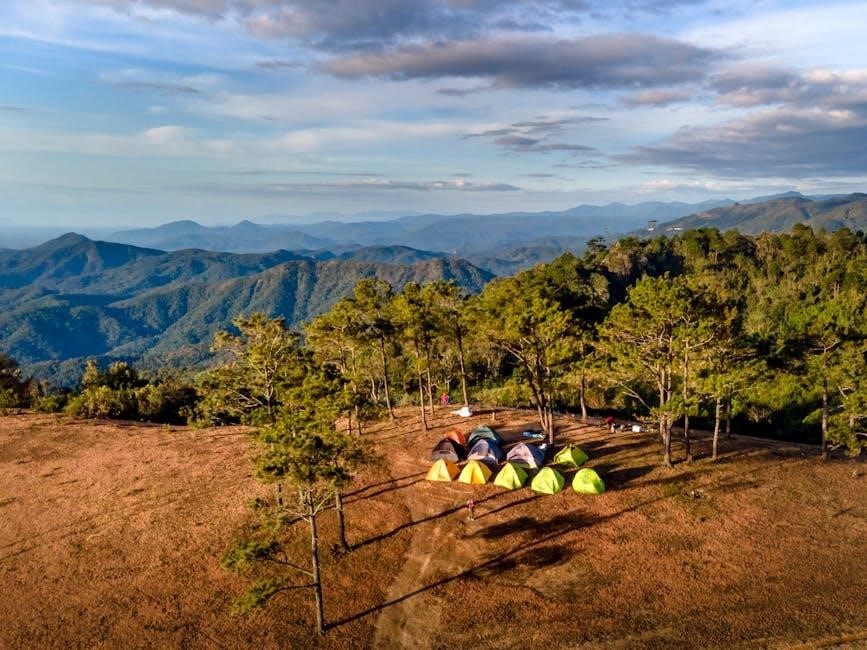
Be considerate of other visitors, minimizing noise and respecting their privacy.
Water Sources & Purification
Access to potable water is crucial when free camping, but natural sources require careful consideration. Rivers, lakes, and streams may appear clean, yet harbor harmful bacteria, viruses, and protozoa. Never drink directly from these sources without purification.
Effective purification methods include boiling water for at least one minute, using water filters designed to remove pathogens, or employing chemical treatments like iodine tablets or purification drops. Always follow the manufacturer’s instructions for these methods.
Carry sufficient water for your needs, especially in arid environments. Knowing the location of reliable water sources beforehand is essential for a safe and enjoyable camping experience.
Dealing with Wildlife
Free camping often means sharing space with local wildlife, demanding respect and caution. Store food securely in animal-resistant containers or hang it from a tree, well away from your sleeping area, to avoid attracting unwanted visitors.
Never feed wildlife, as this alters their natural behavior and can create dangerous situations. Be aware of your surroundings, making noise while hiking to avoid surprising animals. Carry bear spray in bear country and know how to use it.
Research the potential wildlife in your camping area and understand appropriate responses to encounters. Maintaining a safe distance and respecting their habitat is paramount for both your safety and theirs.
Finding Free Camping Spots: Online Resources
Locating free campsites requires utilizing dedicated online resources. Camperguru.com offers a detailed freecamping map, guiding adventurers to no-cost locations across various countries, complete with travel rules for Europe and verified spots.
iOverlander is a collaborative platform where users share campsite information, including free options, with reviews and photos. Freecampsites.net provides a user-friendly map showcasing free camping areas, often updated with recent reports.
These platforms empower campers and vanlifers to discover safe and suitable locations, enhancing their outdoor experience. Remember to cross-reference information and check recent reviews for the most accurate details before setting up camp.
Camperguru.com – Freecamping Map
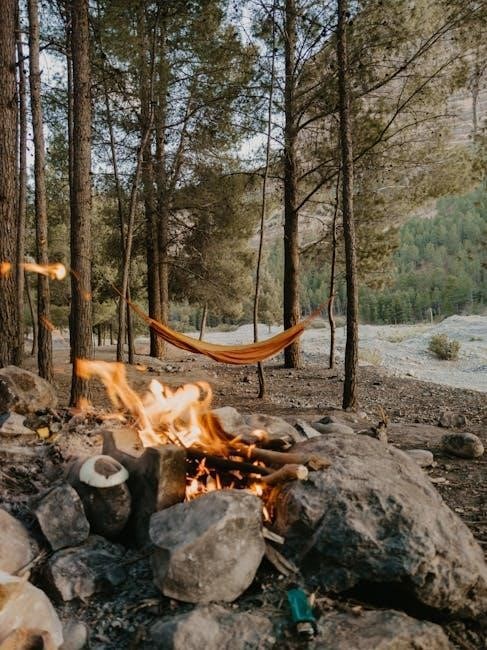
Camperguru.com’s Freecamping Map is an invaluable resource for those seeking no-cost camping experiences across numerous countries. This platform specializes in guiding adventurers towards serene and free locations, catering specifically to vanlifers and campers desiring budget-friendly options.
The map provides complete travel rules for free camping in Europe, detailing where it’s permissible and suggesting verified spots for safer alternatives. Camperguru also offers mobile apps for both Android and iOS, simplifying navigation and inspiration while on the road.
It’s designed to assist campers in finding safe free camping, promoting responsible exploration and maximizing the freedom of the outdoors.
iOverlander
iOverlander is a collaborative, user-generated database offering a wealth of information for overlanders and free campers worldwide. This platform distinguishes itself through its community-driven approach, relying on travelers to share their experiences and discoveries regarding campsites, water sources, and other essential resources.
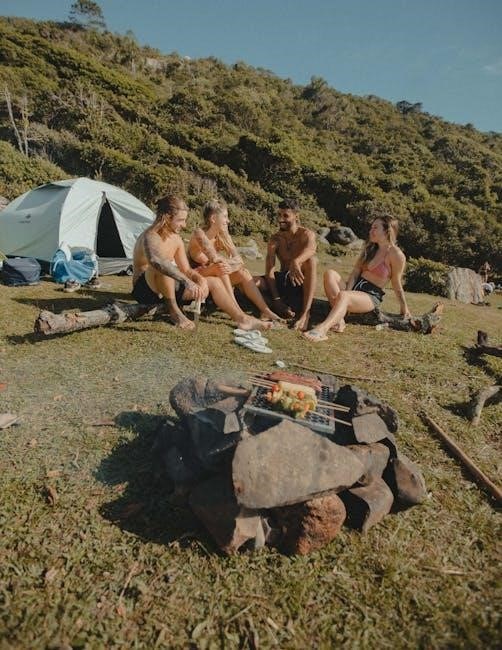
Users contribute details about locations, including accessibility, amenities, and safety considerations, creating a dynamic and constantly updated map. It’s particularly useful for finding dispersed camping spots and hidden gems often overlooked by traditional guidebooks.
iOverlander fosters a sense of community among travelers, enabling them to connect and exchange valuable insights for a more enriching and informed journey.
Freecampsites.net
Freecampsites.net is a dedicated online resource focused exclusively on locating free camping opportunities across the United States and beyond. This website provides a user-friendly interface with a map-based search function, allowing campers to easily identify potential spots near their desired destinations.
The platform relies on user submissions, meaning the database is continually expanding with new locations and updated information. Campers can contribute reviews, photos, and details about amenities, helping others make informed decisions.
Freecampsites.net is a valuable tool for budget-conscious adventurers seeking to experience the outdoors without the cost of traditional campgrounds, offering a direct path to dispersed and primitive camping options.
Safety Considerations for Solo Free Camping
Venturing into free campsites alone demands heightened awareness and preparation. Always inform someone of your detailed itinerary, including location and expected return time, and stick to it diligently. Carry a reliable communication device – a satellite messenger is ideal where cell service is absent.
Wildlife encounters are more concerning when solo; bear spray and knowledge of local fauna are crucial. Practice situational awareness, avoiding secluded areas and being mindful of your surroundings.
Self-sufficiency is key; ensure you have adequate supplies, first-aid training, and the skills to handle potential emergencies independently. Trust your instincts and don’t hesitate to relocate if a location feels unsafe.
Preparing for Unexpected Weather
Free campsites often lack the amenities of established campgrounds, making weather preparedness paramount. Always check the forecast before you go, but be prepared for rapid changes, especially in mountainous or remote areas. Pack layers of clothing to adapt to fluctuating temperatures – moisture-wicking base layers are essential.
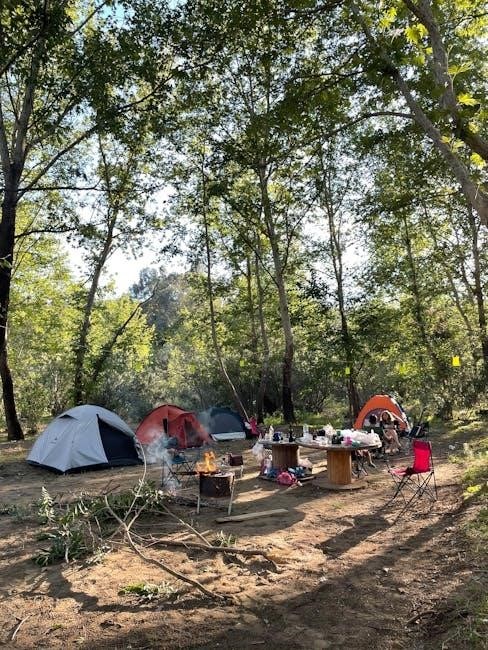
A waterproof and windproof outer shell is non-negotiable, alongside a reliable tent with a robust rainfly. Consider bringing a tarp for additional shelter or to create a dry cooking area.

Protect electronics with waterproof cases and have a plan for dealing with extreme heat, cold, or storms. Knowing basic survival skills, like building a temporary shelter, can be invaluable.
Staying Connected (or Disconnected)
One of the appeals of free camping is escaping the constant connectivity of modern life, but responsible preparation is key. Many free campsites are in areas with limited or no cell service, so inform someone of your plans and expected return time.
Download offline maps and navigation tools before you leave, such as those offered by apps like iOverlander. Consider a satellite communication device for emergencies, especially if venturing far off-grid.
If you do have service, be mindful of data usage. Embrace the opportunity to disconnect and enjoy the natural surroundings, but maintain a means of contacting help if needed.