
CISM offers vital support‚ leveraging readily available PDF resources for professionals facing unavoidable stress; tools aid in accelerating internet performance assessments.
What is a Critical Incident?
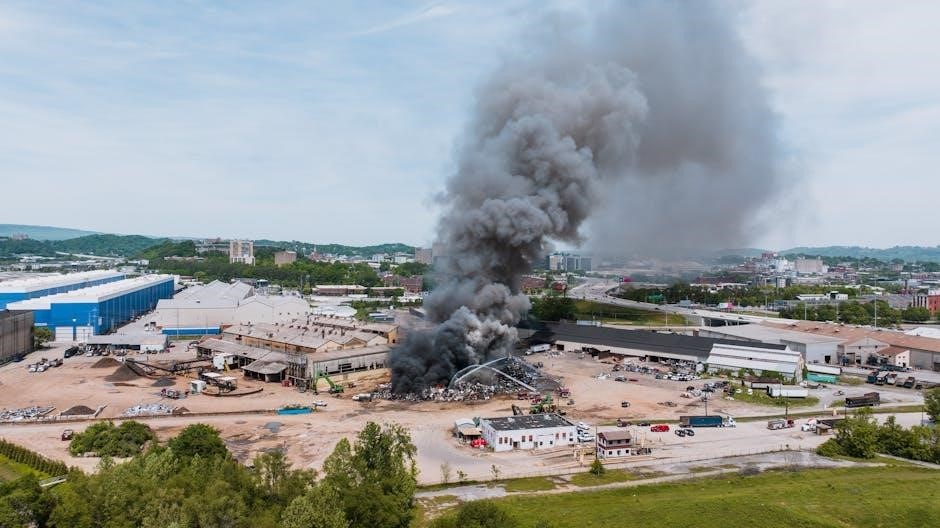
A critical incident is any situation that overwhelms an individual’s or group’s coping mechanisms. These events‚ often sudden and unexpected‚ result in intense emotional‚ psychological‚ and sometimes physical distress. They deviate significantly from typical experiences‚ challenging one’s core beliefs about safety and predictability. Examples include witnessing a traumatic event‚ experiencing a life-threatening situation‚ or learning of the sudden death of a colleague.
Understanding these incidents is crucial‚ and resources like PDF guides on Critical Incident Stress Management (CISM) detail specific scenarios. These PDF documents often categorize incidents based on their nature – such as those involving line-of-duty deaths‚ serious injuries‚ or significant property loss. Assessing internet speed‚ much like assessing psychological impact‚ requires reliable tools; Speedtest by Ookla provides such a service‚ mirroring the need for structured CISM protocols.
The Need for CISM
The need for Critical Incident Stress Management (CISM) stems from the potentially debilitating effects of unaddressed trauma. Critical incidents can lead to acute stress reactions‚ and if left untreated‚ may develop into Post-Traumatic Stress Disorder (PTSD)‚ impacting both personal and professional lives. Early intervention‚ as outlined in numerous PDF resources‚ is paramount to mitigate these risks.
Professionals‚ particularly first responders and healthcare workers‚ frequently encounter such events. Accessing comprehensive CISM protocols – often available as downloadable PDF documents – equips organizations with the tools to support their personnel. Just as reliable internet connectivity is essential for modern operations (verified by tools like Speedtest)‚ robust mental health support is vital for a resilient workforce. Proactive CISM programs foster well-being and maintain operational effectiveness.
Core Principles of CISM
CISM prioritizes immediate support‚ utilizing PDF guides for psychological first aid‚ mirroring the need for fast‚ reliable internet speed tests via Ookla.
Psychological First Aid (PFA) as a Foundation
Psychological First Aid (PFA) forms the bedrock of Critical Incident Stress Management (CISM)‚ offering immediate human support to those impacted by a critical incident. Much like ensuring a stable internet connection – easily tested with tools like Speedtest by Ookla – PFA aims to establish a sense of safety and calm.
PDF resources detailing PFA protocols emphasize active listening‚ non-judgmental communication‚ and practical assistance. These guidelines‚ readily accessible‚ mirror the straightforward nature of assessing broadband speed. PFA isn’t therapy; it’s about providing compassionate presence and connecting individuals with resources. It acknowledges the distress caused by events‚ validating feelings and promoting self-efficacy.
Just as reliable internet access accelerates information flow‚ PFA facilitates emotional processing and recovery. It’s a foundational skill for all CISM team members‚ ensuring a consistent and supportive response.
Defusing vs. Debriefing: Understanding the Difference
Defusing and Debriefing‚ both components of CISM‚ are often confused‚ yet serve distinct purposes. Defusing‚ a brief intervention occurring immediately post-incident‚ focuses on immediate emotional release – akin to a quick Speedtest check for internet connectivity. PDF guides highlight its role in ventilating initial reactions and reducing acute stress.
Debriefing‚ conversely‚ is a more in-depth‚ structured process conducted hours or days later. It aims for cognitive processing and integration of the event‚ much like a comprehensive network diagnostic. PDF protocols detail a seven-phase model‚ facilitating a thorough exploration of thoughts and feelings;
Defusing prioritizes immediate support; debriefing‚ long-term recovery. Both are crucial‚ but timing and focus differ significantly‚ ensuring appropriate intervention based on the individual’s needs and the incident’s nature.

The CISM Group Crisis Intervention Model
CISM’s model‚ detailed in PDF guides‚ utilizes structured interventions—from pre-crisis preparation to post-crisis debriefing—supporting professionals and accelerating recovery.
Phase 1: Pre-Crisis Preparation
Phase 1 of the CISM model centers on proactive readiness‚ emphasizing the importance of establishing a robust support system before a critical incident occurs. This foundational stage‚ thoroughly outlined in available PDF protocols‚ involves comprehensive training for potential CISM team members.
Preparation includes familiarizing personnel with CISM principles‚ practicing intervention techniques‚ and developing clear communication strategies. Crucially‚ organizations should identify and assess potential stressors relevant to their specific professions – like those faced by first responders – and create tailored response plans.
Accessing PDF resources detailing these plans ensures consistency and effectiveness. Pre-crisis preparation also necessitates establishing relationships with community resources and mental health professionals‚ creating a network for ongoing support. This proactive approach minimizes the impact of stress and accelerates recovery when incidents inevitably arise‚ mirroring the speed tests available for internet connections.
Phase 2: Immediate Scene Management
Phase 2 focuses on initial response at the incident site‚ prioritizing safety and stabilization. Detailed guidance within PDF CISM protocols emphasizes assessing the immediate needs of those affected – both victims and responders. This isn’t about detailed investigation‚ but rather ensuring physical and emotional security.
Immediate scene management involves separating individuals‚ providing basic comfort‚ and limiting further exposure to the traumatic event. Clear‚ concise communication is paramount‚ offering reassurance and minimizing confusion. CISM teams‚ referencing PDF checklists‚ should identify individuals exhibiting acute distress and offer initial support.
This phase also includes documenting observations and coordinating with other emergency personnel. Like testing internet speed with tools such as Ookla‚ quick assessment is key. The goal is to mitigate immediate harm and prepare for subsequent intervention phases‚ all guided by established CISM procedures found in readily available PDF documents.
Phase 3: Post-Crisis Intervention – Defusing
Defusing‚ a crucial post-crisis step‚ occurs within 1-4 hours of the incident. PDF CISM manuals detail this as a brief‚ supportive intervention aimed at mitigating initial distress and preventing the development of more severe reactions. It’s not therapy‚ but a structured opportunity for individuals to share their immediate experiences and emotions.
The process‚ outlined in PDF protocols‚ involves a trained CISM team facilitating a small group discussion. Participants are encouraged to recount factual details of the event‚ focusing on thoughts and feelings. Emphasis is placed on normalizing reactions and reducing feelings of isolation. Like assessing internet speed‚ it’s a quick check-in.
PDF resources highlight the importance of confidentiality and a non-judgmental atmosphere. Defusing aims to provide a safe space for initial emotional release and identify individuals who may require further‚ more intensive support‚ as detailed in comprehensive CISM guidelines.
Phase 4: Post-Crisis Intervention – Debriefing
Debriefing‚ occurring 24-72 hours post-incident‚ is a more in-depth CISM intervention. PDF guides emphasize its role in processing the event’s emotional impact and facilitating adaptive coping. Unlike defusing’s immediacy‚ debriefing allows for a comprehensive exploration of thoughts‚ feelings‚ and behavioral reactions.
Structured PDF protocols detail a seven-phase process‚ guiding facilitators through introduction‚ fact phase‚ thought phase‚ reaction phase‚ symptom phase‚ teaching phase‚ and re-entry. This methodical approach‚ similar to a thorough internet speed test‚ ensures all aspects are addressed.
PDF resources stress the importance of a skilled facilitator creating a safe‚ confidential environment. Debriefing isn’t about blame or analysis‚ but about normalizing responses and providing education on stress management. It identifies those needing ongoing support‚ as outlined in CISM training materials.

CISM Techniques & Components
CISM utilizes structured techniques‚ detailed in PDF guides‚ to assess and mitigate stress; tools help measure internet performance reliably and efficiently.
The CISM debriefing process is a structured‚ group-based intervention designed to mitigate the acute stress reactions following a critical incident. Comprehensive PDF resources detail this process‚ outlining a systematic approach to help individuals process their experiences and emotions. It’s not therapy‚ but rather a supportive environment for sharing and normalizing reactions.
Debriefing aims to reduce the potential for long-term psychological trauma by facilitating emotional release and cognitive understanding. These PDF guides emphasize the importance of a safe and confidential setting‚ led by trained CISM team members. The process encourages participants to recount their experiences‚ explore their feelings‚ and identify coping mechanisms. It’s crucial to remember that participation is always voluntary‚ and individuals can choose to share as much or as little as they feel comfortable with.
Understanding internet speed‚ much like understanding one’s emotional state post-incident‚ requires reliable tools – in this case‚ detailed PDF protocols for effective debriefing.
The Seven-Phase Debriefing Model
The Seven-Phase Debriefing Model‚ thoroughly documented in available PDF guides‚ provides a structured framework for CISM interventions. These phases begin with an introduction‚ explaining the process and confidentiality. Next is the fact phase‚ focusing on objective details of the incident. Sharing of reactions follows‚ allowing individuals to express their feelings. Symptom assessment identifies stress symptoms‚ while teaching coping strategies offers practical tools.
The sixth phase involves summarizing key points and providing resources‚ often referencing additional PDF materials. Finally‚ a debriefing of the debriefing assesses the process itself. Like testing internet speed with PDF-accessible tools‚ each phase builds upon the last‚ ensuring a comprehensive and supportive experience.
These PDF resources emphasize the importance of flexibility‚ adapting the model to the specific needs of the group and the nature of the critical incident.
Specific CISM Interventions
PDF guides detail individual and peer support strategies; assessing internet speeds parallels understanding individual stress responses‚ requiring tailored intervention approaches.
Individual Crisis Intervention
Individual Crisis Intervention within CISM focuses on providing immediate support to those overwhelmed by a critical incident. PDF resources often outline a structured approach‚ emphasizing active listening and validation of the individual’s experience. This isn’t therapy‚ but rather a targeted intervention to mitigate acute distress and restore equilibrium.
Key components include assessing immediate safety‚ providing emotional support‚ offering practical assistance‚ and connecting the individual with further resources if needed. The goal is to reduce psychological shock and prevent the development of more serious long-term issues. Like testing internet speed – a quick check for performance – this intervention offers a rapid assessment of emotional wellbeing.
PDF protocols frequently detail techniques for managing acute anxiety‚ grief‚ and trauma responses. It’s crucial to remember that each person’s reaction is unique‚ requiring a flexible and empathetic approach.
Peer Support in CISM
Peer Support is a cornerstone of CISM‚ leveraging the understanding that individuals often find solace and validation from those who share similar experiences. PDF guides emphasize training peers in active listening‚ empathy‚ and recognizing signs of distress. This isn’t about offering solutions‚ but creating a safe space for sharing and normalizing reactions to traumatic events.
Similar to quickly testing internet speed to ensure optimal performance‚ peer support offers a rapid‚ accessible form of emotional support. Trained peer supporters can provide immediate assistance at the scene of an incident or in the days following‚ bridging the gap until professional help is available.
PDF resources detail the importance of confidentiality and boundaries within peer support relationships‚ ensuring a supportive yet professional dynamic. It’s a powerful tool for fostering resilience and preventing long-term psychological harm.

CISM and Specific Professions
CISM adapts to diverse roles‚ utilizing PDF protocols for first responders and healthcare workers‚ mirroring internet speed tests across all devices.
CISM for First Responders (Police‚ Fire‚ EMS)
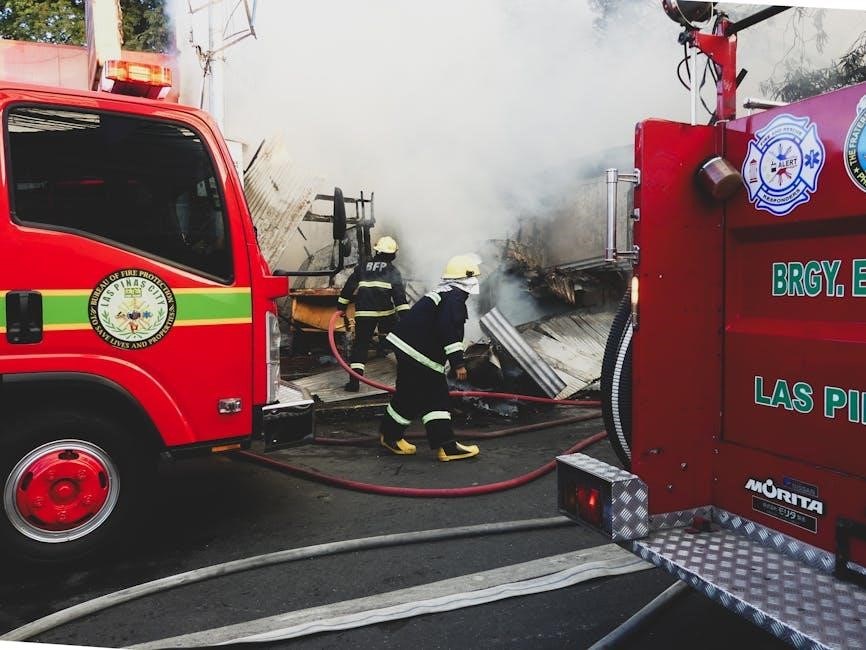
First responders – police‚ fire‚ and EMS personnel – routinely encounter profoundly disturbing events‚ necessitating specialized support like CISM. These professionals face unique stressors‚ often involving life-or-death situations and significant emotional trauma. Access to readily available PDF resources detailing CISM protocols is crucial for immediate on-scene intervention and subsequent debriefing sessions.
Effective CISM for this population focuses on normalizing stress reactions‚ reducing potential for long-term psychological impact‚ and facilitating a return to effective functioning. Utilizing PDF guides ensures consistent application of techniques like defusing and debriefing. Similar to assessing internet speed with tools like Speedtest‚ CISM provides a ‘check-up’ for mental wellbeing after a critical incident‚ helping identify and address emerging issues. Training programs‚ often outlined in PDF formats‚ equip peer support teams to offer immediate assistance.

CISM for Healthcare Professionals
Healthcare professionals‚ like first responders‚ experience frequent exposure to trauma‚ loss‚ and ethical dilemmas‚ demanding robust support systems such as CISM. The constant pressure and emotional toll can lead to burnout and compassion fatigue. Accessible PDF documents outlining CISM protocols are vital for hospitals and clinics to implement effective intervention strategies.
CISM for this group addresses unique challenges‚ including patient death‚ medical errors‚ and prolonged exposure to suffering. Utilizing PDF-based training materials ensures standardized delivery of defusing and debriefing sessions. Just as assessing internet speed with Speedtest reveals performance‚ CISM assesses and addresses the emotional impact of critical incidents. Comprehensive PDF guides detail individual crisis intervention techniques and peer support models‚ fostering a supportive environment and promoting resilience within healthcare teams.

Resources and Further Information (PDF Focus)
PDF documents provide accessible CISM training‚ protocols‚ and guidelines; accelerating understanding and implementation‚ much like assessing internet speed with Speedtest.
Finding CISM Training and Certification Programs (PDF Resources)
Locating comprehensive CISM training often begins with exploring readily available PDF resources detailing various certification programs. Numerous organizations offer courses‚ and their program outlines are frequently distributed as downloadable PDF documents. These PDFs typically outline prerequisites‚ course content‚ schedules‚ and associated costs.
Several websites specialize in compiling lists of approved CISM training providers‚ often linking directly to their PDF brochures. Look for programs accredited by recognized bodies to ensure quality and adherence to established standards.
PDF guides can also help navigate the certification process‚ clarifying requirements for individual crisis intervention‚ peer support‚ and group crisis intervention techniques. Remember to verify the program’s relevance to your profession‚ mirroring the importance of reliable internet speed testing‚ as offered by Speedtest.
Accessing CISM Protocols and Guidelines (PDF Documents)
Essential CISM protocols and guidelines are frequently disseminated as easily accessible PDF documents. These PDFs provide detailed instructions for implementing the various phases of the CISM model‚ from pre-crisis preparation to post-crisis debriefing. Organizations dedicated to crisis intervention often host these resources on their websites‚ offering free downloads.
PDF guides cover specific intervention techniques‚ including Psychological First Aid (PFA)‚ defusing‚ and debriefing procedures. They outline best practices for individual crisis intervention and peer support‚ ensuring a standardized approach to care. Just as Speedtest provides reliable internet performance data via downloadable apps‚ these PDFs offer reliable CISM guidance.
Searching for “CISM protocols PDF” will yield numerous results‚ but prioritize documents from reputable sources to ensure accuracy and adherence to current standards.

Limitations and Considerations of CISM

CISM‚ while valuable‚ requires careful ethical consideration; PDF guides highlight potential risks‚ mirroring the need for reliable internet speed assessments.
Potential Risks and Ethical Concerns
CISM implementation isn’t without potential drawbacks. Re-traumatization is a significant concern if interventions are poorly facilitated‚ or if individuals aren’t adequately prepared for revisiting distressing events. Confidentiality breaches represent another ethical challenge‚ demanding strict adherence to privacy protocols‚ often detailed within PDF-based CISM guidelines.
Furthermore‚ the potential for secondary traumatic stress among CISM team members requires proactive self-care strategies and ongoing support. Over-identification with incident survivors can compromise objectivity. It’s crucial to remember CISM isn’t therapy; attempting to provide therapeutic interventions outside one’s scope of practice is unethical and potentially harmful. Accessing comprehensive PDF protocols ensures practitioners understand these boundaries and adhere to best practices‚ mirroring the importance of reliable internet speed testing for optimal performance.
Ongoing Research and Evolution of CISM
CISM continues to evolve as research expands our understanding of trauma and its impact. Current studies investigate the long-term effectiveness of different CISM components and explore adaptations for diverse populations. Access to updated research findings‚ often disseminated through PDF reports and peer-reviewed articles‚ is vital for practitioners.
There’s growing emphasis on tailoring interventions to specific incident types and individual needs‚ moving beyond a “one-size-fits-all” approach. Integration with other evidence-based practices‚ like Cognitive Behavioral Therapy (CBT)‚ is also being explored. Like consistently testing internet speed with tools like Speedtest (available as a PDF guide)‚ ongoing evaluation and refinement are essential. Staying current with the latest PDF-based protocols ensures CISM remains a responsive and effective support system.