
Singer Esteem II Sewing Machine Manual: A Comprehensive Guide
This guide offers detailed instructions for the Singer Esteem II (model 2273)․ Access a downloadable PDF version of the manual, ensuring easy access to all operational details․
Explore features like the built-in needle threader and adjustable stitch settings, alongside essential safety guidelines for a seamless sewing experience․
The Singer Esteem II, specifically model 2273, represents a reliable and user-friendly entry point into the world of sewing․ This machine is designed for both beginners and experienced sewists, offering a balance of essential features and straightforward operation․ It’s a popular choice due to its affordability and capability to handle a variety of sewing projects, from simple alterations to crafting more complex designs․
Congratulations on becoming an owner! This machine promises an exciting adventure in creative sewing․ The Esteem II boasts practical features like adjustable stitch length and width, catering to diverse fabric types and project requirements․ A standout feature is the built-in needle threader, simplifying a traditionally tedious task․
Understanding your machine through its manual is crucial for optimal performance and longevity․ This comprehensive guide will walk you through setup, operation, maintenance, and troubleshooting, ensuring a smooth and enjoyable sewing journey․ Don’t hesitate to refer to it frequently as you explore the capabilities of your new Singer Esteem II․
Understanding the Model Number 2273
The model number 2273 specifically identifies the Singer Esteem II sewing machine․ This designation is crucial when seeking support, replacement parts, or accessing the correct documentation, such as the instruction manual․ Singer utilizes model numbers to differentiate between variations in features and capabilities across their product line․
Knowing your machine’s model number ensures you’re referencing information tailored to your specific machine․ Generic sewing machine advice may not always apply, potentially leading to incorrect procedures or compatibility issues․ When contacting customer support or ordering accessories, always have the 2273 model number readily available․
The Esteem II 2273 packs a punch with features like the built-in needle threader and adjustable stitch settings․ This model is designed for versatility, handling various fabrics and project types․ Accessing the dedicated manual for the 2273 will unlock the full potential of your sewing machine, providing detailed instructions and troubleshooting guidance․
Where to Find the Official Manual (PDF Download)
Locating the official Singer Esteem II (model 2273) manual is now straightforward thanks to readily available online resources․ Several websites offer a downloadable PDF version of the instruction manual, eliminating the need to search for a physical copy․
Upon checkout, you’ll receive a direct link to download the reprint instruction manual in a convenient ․pdf format․ Alternatively, you can view the manual completely free of charge on dedicated sewing machine manual websites․ These digital versions ensure you always have access to guidance, even without an internet connection after downloading․
If you’ve misplaced your original manual, or purchased a used machine, these online resources are invaluable․ Remember to verify the manual corresponds to model number 2273 to ensure accuracy․ Expert support and downloadable manuals are readily available to enhance your sewing experience with the Singer Esteem II․
Setting Up Your Machine
Begin by unboxing and inspecting all components․ Correctly attach the power cord and foot pedal before proceeding to master bobbin winding and thread paths․
Unboxing and Initial Inspection
Carefully remove your Singer Esteem II sewing machine from its packaging․ Retain the box and packing materials for potential future transport or storage needs․ A thorough initial inspection is crucial․ Verify that all included accessories are present, referencing the parts list within your instruction manual․
These accessories typically include presser feet (standard, zipper, and buttonhole), bobbins, needle sets, a screwdriver, a seam ripper, a cleaning brush, and the power cord․ Inspect the machine itself for any visible damage incurred during shipping․ Look closely at the body, the handwheel, the needle clamp, and the bobbin area․
Ensure the handwheel moves freely and that there are no loose parts․ If you detect any damage, immediately contact the retailer or Singer customer support․ Do not attempt to operate a damaged machine․ Familiarize yourself with the machine’s basic components before proceeding to setup․ This initial check ensures a smooth and safe sewing experience․
Attaching the Power Cord and Foot Pedal
Before connecting the power, ensure the machine’s power switch is in the “OFF” position․ Locate the power jack on the back of the Singer Esteem II․ Carefully insert the power cord plug into this jack, ensuring a secure connection․ Avoid forcing the plug; it should fit snugly without excessive pressure․
Next, connect the foot pedal to the designated port, usually located on the front or side of the machine․ Again, ensure a firm connection․ The foot pedal controls the sewing speed, so a secure attachment is vital for proper operation․
Plug the other end of the power cord into a grounded electrical outlet․ Verify the outlet’s voltage matches the machine’s requirements (typically 120V in North America)․ Do not use an extension cord if possible; if necessary, use a heavy-duty extension cord rated for the machine’s amperage․ A stable power supply is essential for consistent performance․
Winding the Bobbin
Begin by placing the spool of thread onto the spool pin, securing it with the spool cap․ Ensure the thread unwinds smoothly․ Next, guide the thread through the thread guides designated for bobbin winding, typically located on the top of the machine․
Then, thread the end of the thread through the tension disc, ensuring it’s properly seated․ This tension is crucial for even bobbin winding․ After that, wrap the thread several times around the bobbin, manually, to secure it․
Place the bobbin onto the bobbin winder spindle and push it to the right to engage the winding mechanism․ Depress the foot pedal gently to start winding․ The machine will automatically stop when the bobbin is full․ Remove the bobbin and trim the thread end․ A properly wound bobbin is essential for consistent stitch quality․
Threading the Upper Thread
Start by ensuring the machine is turned off and the presser foot is raised․ This releases the tension discs, allowing the thread to enter correctly․ Begin by placing the spool of thread on the spool pin and securing it with a spool cap․
Next, guide the thread through the first thread guide, then down and around the tension discs․ It’s vital the thread seats firmly between the discs for proper tension․ Continue threading upwards, following the numbered guides indicated on the machine․
Utilize the built-in needle threader, if available, for ease․ Otherwise, thread the needle from front to back․ Finally, draw about 6 inches of thread through the needle eye․ Your machine is now correctly threaded for sewing․ Always double-check the threading path before beginning a project․
Threading the Bobbin Thread
Begin by ensuring the bobbin is wound correctly and inserted into the bobbin case․ The bobbin should rotate freely and smoothly․ Locate the bobbin case and gently pull it out of the machine․
Insert the bobbin into the bobbin case, ensuring the thread unwinds in the correct direction – typically counter-clockwise․ Guide the thread through the tension spring on the bobbin case, and then through the slit․
Reinsert the bobbin case back into the machine․ Gently pull on the upper thread, which will, in turn, loop and catch the bobbin thread․ Draw up approximately 6 inches of the bobbin thread through the needle plate․ Both threads should now be positioned under the presser foot, ready for sewing․
Basic Sewing Operations
Master fundamental techniques with the Singer Esteem II, including stitch selection, length/width adjustments, and straight/zigzag sewing․ Practice reverse stitching for secure seams․
Selecting Stitch Patterns
The Singer Esteem II boasts a variety of built-in stitch patterns, offering versatility for diverse sewing projects․ To select a stitch, locate the stitch selection dial, typically positioned on the front of the machine․ This dial features a range of numbered and/or illustrated stitch options․
Carefully rotate the dial to align the desired stitch number or symbol with the indicator mark․ Refer to the stitch guide within your Esteem II manual (or the downloadable PDF) for a clear depiction of each stitch and its recommended applications․ Common stitches include straight stitch, zigzag stitch, and various decorative options․
Experiment with different stitch patterns to achieve unique effects on your fabric․ Remember to test the selected stitch on a scrap piece of fabric before beginning your project to ensure it produces the desired result․ Understanding the stitch selection process unlocks the full creative potential of your Singer Esteem II sewing machine․
Adjusting Stitch Length and Width
The Singer Esteem II allows for precise control over stitch length and width, crucial for achieving professional-looking results․ Locate the stitch length dial, usually marked with measurements in millimeters․ Rotating this dial adjusts the length of each stitch – shorter for delicate fabrics, longer for heavier materials․
Similarly, the stitch width dial controls the breadth of zigzag stitches and decorative patterns․ Adjusting this dial widens or narrows the stitch, impacting the fabric coverage and aesthetic appeal․ Always test your settings on a scrap fabric piece before starting your project․
Refer to your Esteem II manual (or the PDF download) for recommended settings based on fabric type and stitch selection․ Proper adjustment of stitch length and width ensures optimal seam strength, fabric compatibility, and overall sewing quality․ Mastering these controls unlocks greater creative freedom․
Sewing Straight Stitches
To sew a straight stitch on your Singer Esteem II, first select the straight stitch pattern using the stitch selector dial․ Ensure the stitch length is appropriately set for your fabric – a medium length (around 2․5mm) is a good starting point for general sewing․
Place your fabric under the presser foot, aligning the edge with the desired seam allowance guide on the needle plate․ Gently lower the presser foot to secure the fabric․ Begin sewing by pressing the foot pedal, guiding the fabric smoothly and consistently․
Maintain a steady pace and avoid pulling or pushing the fabric; let the machine feed it through․ For a neat finish, backstitch at the beginning and end of the seam by using the reverse stitch function․ Refer to your manual for detailed illustrations and troubleshooting tips․
Sewing Zigzag Stitches
The Singer Esteem II’s zigzag stitch offers versatility for various applications․ Select the zigzag stitch pattern using the stitch selector dial․ Adjust both the stitch length and width according to your project needs – wider and longer stitches are suitable for stretch fabrics or decorative purposes, while narrower and shorter stitches are ideal for reinforcing seams․
Place your fabric under the presser foot and lower it securely․ Begin sewing by gently pressing the foot pedal, guiding the fabric to ensure a consistent zigzag pattern․ The zigzag stitch prevents fabric edges from fraying and provides flexibility․
Experiment with different stitch width settings to achieve desired effects․ Consult your manual for specific recommendations based on fabric type and intended use․ Remember to backstitch at the beginning and end of the seam for added security․
Reverse Stitching

Reverse stitching, also known as backstitching, is crucial for securing the beginning and end of seams on your Singer Esteem II․ To engage reverse, locate the reverse lever or button – typically positioned near the handwheel․ Push or press it down while gently pressing the foot pedal․
The machine will now stitch in reverse․ Sew backwards for a short distance, approximately half an inch, to lock the stitches․ Release the reverse lever/button and return to forward stitching․ This creates a reinforced anchor point, preventing unraveling․
Always use reverse stitching at the start of a seam to prevent the stitches from pulling out under stress․ Repeat the process at the end of the seam․ Consistent use of reverse stitching ensures durable and professionally finished projects․ Refer to your manual for specific guidance on reverse stitch length․
Advanced Features & Techniques
Unlock the full potential of your Singer Esteem II! Explore features like the needle threader, diverse presser feet, buttonhole sewing, and free-motion darning techniques․
Using the Built-in Needle Threader
The Singer Esteem II boasts a convenient built-in needle threader, simplifying a traditionally tedious task․ To utilize this feature, begin by ensuring the machine is turned off․ Lift the presser foot; this is crucial for proper engagement․ Next, place the thread into the designated guide, ensuring it’s securely seated․

Gently pull down on the threader lever, allowing it to loop around the needle’s eye․ Continue pulling the lever down completely, then release․ A loop of thread will form, which you can then pull through the needle․ Finally, draw enough thread through to comfortably grip and begin sewing․
Important Note: Always use a needle appropriate for the thread weight․ If the threader doesn’t catch the needle eye on the first attempt, repeat the process․ Avoid forcing the lever, as this could damage the mechanism․ Regular use of the built-in threader saves time and reduces eye strain!
Understanding Presser Feet (Standard, Zipper, Buttonhole)
Your Singer Esteem II comes equipped with several presser feet to tackle diverse sewing projects․ The standard presser foot, also known as the all-purpose foot, is ideal for straight and zigzag stitching on most fabrics․ It’s your go-to for general sewing tasks․
The zipper foot attaches to the machine allowing you to sew close to zipper teeth, ensuring a professional finish․ It can be positioned on either the left or right side of the zipper, offering versatility․
The buttonhole foot is specifically designed for creating consistent and accurately sized buttonholes․ It works in conjunction with the machine’s buttonhole stitch settings․ Ensure you consult the manual for precise buttonhole creation instructions․
Proper foot selection is key to achieving optimal sewing results․ Changing presser feet is a simple process, usually involving a thumb screw at the back of the foot holder․
Buttonhole Sewing Instructions
Creating buttonholes on your Singer Esteem II involves several steps․ First, select the buttonhole stitch on the stitch selector dial․ Ensure the buttonhole foot is attached; it’s crucial for accurate results․
Next, measure the button size and adjust the buttonhole length setting on the machine accordingly․ A test buttonhole on scrap fabric is highly recommended to verify the size before sewing on your project․
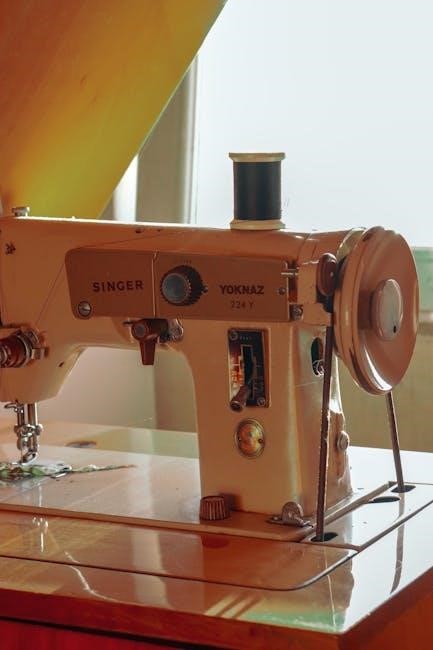
Begin sewing slowly, guiding the fabric․ The machine will automatically stitch the buttonhole outline․ At the ends, it will pivot and reinforce the stitching․
Carefully remove the fabric and use the seam ripper (if needed) to open the buttonhole bars․ Finally, sew on the button, aligning it with the newly created buttonhole․ Refer to your manual for detailed diagrams and specific settings for different fabric weights․
Adjusting Presser Foot Pressure
Presser foot pressure significantly impacts stitch quality, especially with varying fabric types․ The Singer Esteem II allows you to adjust this pressure to optimize performance․ Lower pressure is ideal for delicate fabrics like silk or chiffon, preventing puckering and fabric damage․
Conversely, heavier fabrics like denim or canvas require increased pressure to ensure consistent stitch formation and prevent the fabric from slipping․ The adjustment dial is typically located on the back or side of the machine․
Start with the default setting and test on a scrap of your project fabric․ If the fabric feeds unevenly or the stitches are loose, increase the pressure․ If the fabric puckers or is difficult to feed, decrease it․
Small adjustments can make a big difference, so experiment until you achieve smooth, even stitches․ Always consult your manual for the precise location of the adjustment dial and recommended settings․
Free Motion Sewing (Darning)
Free motion sewing, often used for darning or creative embroidery, allows you to move the fabric freely under the needle, controlling the stitch pattern entirely by hand․ On the Singer Esteem II, this is achieved by disengaging the feed dogs – the teeth that normally advance the fabric․
Typically, a darning plate is installed, covering the feed dogs․ Lower the presser foot and gently move the fabric in the desired direction while simultaneously pressing the foot pedal․ Practice on scrap fabric to develop a consistent rhythm․
Adjust stitch length to zero for true free motion․ This technique requires practice, but opens up possibilities for mending holes, creating decorative stitches, and quilting intricate designs․
Remember to re-engage the feed dogs after completing your free motion work for standard sewing․ Consult your manual for specific instructions on disengaging the feed dogs on your model․
Maintenance and Troubleshooting
Regular cleaning and lubrication are vital for optimal performance․ Address common issues like thread breakage or skipped stitches with the guidance provided in this manual․
Cleaning the Machine
Maintaining a clean Singer Esteem II is crucial for its longevity and performance․ Before any cleaning, always disconnect the machine from the power source․ Begin by removing the bobbin case and any thread remnants from the bobbin area․ Use a small brush, often included with the machine, to remove lint and dust from this space․
Next, clean the feed dogs area․ A soft brush or a lint roller can effectively remove fabric fibers․ For more stubborn buildup, a slightly dampened cloth can be used, ensuring it’s not overly wet․ Avoid using sprays or liquids directly onto the machine; instead, apply to the cloth first․
Wipe down the exterior surfaces with a soft, dry cloth․ Pay attention to areas where dust accumulates․ Regularly cleaning prevents lint buildup, which can cause tension issues and affect stitch quality․ Consistent cleaning ensures smooth operation and extends the life of your Singer Esteem II sewing machine․
Oil Points and Lubrication
Proper lubrication is vital for the smooth operation of your Singer Esteem II․ Refer to your machine’s manual for specific oiling points, as incorrect lubrication can cause damage․ Generally, key areas include the bobbin race, the hook assembly, and the motor shaft․
Use only sewing machine oil – never use oil intended for other purposes․ Apply a small drop of oil to each designated point, and then operate the machine briefly to distribute the oil evenly․ Avoid over-oiling, as excess oil attracts dust and lint, creating a sticky residue․
Regularly check these points, typically after every few hours of use, or as indicated in the manual․ A well-lubricated machine runs quieter, produces better stitches, and experiences less wear and tear․ Consistent attention to oiling ensures the longevity and optimal performance of your Singer Esteem II sewing machine․
Troubleshooting Common Problems (Thread Breakage, Skipped Stitches)
Thread breakage often stems from incorrect threading, a dull needle, or using the wrong thread type for your fabric․ Re-thread the machine carefully, ensuring the thread is properly seated in all guides and the tension is correctly adjusted․ Replace the needle with a new, appropriate size for your fabric․
Skipped stitches can indicate a bent or damaged needle, incorrect needle insertion, or improper timing․ Always insert a new needle with the flat side facing the back․ Verify the needle plate is correctly installed and the bobbin is wound evenly․
Consult your Singer Esteem II manual for detailed diagrams and troubleshooting steps․ If problems persist, ensure the machine is clean and lubricated․ A systematic approach to identifying the cause will restore your machine to optimal performance․
Replacing the Needle
Replacing the needle on your Singer Esteem II is a straightforward process, crucial for maintaining sewing quality․ First, ensure the machine is turned off and unplugged for safety․ Loosen the needle clamp screw using the screwdriver included with your machine․
Gently remove the old needle, noting its orientation – the flat side should face the back․ Insert the new needle, pushing it up into the needle clamp as far as it will go․ Ensure the flat side of the new needle also faces the back․
Tighten the needle clamp screw securely, but avoid over-tightening․ A properly installed needle is essential to prevent skipped stitches and thread breakage․ Refer to your manual for visual guidance and recommended needle types for various fabrics․
Safety Instructions
Prioritize safety when operating your Singer Esteem II․ Always disconnect the power cord before changing the needle, threading, or performing any maintenance․ Keep fingers away from the needle area while the machine is running – serious injury can occur․

Never pull fabric while sewing; let the machine feed the fabric naturally․ Avoid sewing over pins, as this can damage the needle and machine․ Do not use the machine if the power cord or foot pedal are damaged․
Supervise children closely when the machine is in use or stored nearby․ This sewing machine is not intended for use by individuals with reduced physical, sensory, or mental capabilities without proper supervision․ Always refer to the complete instruction manual for detailed safety precautions․